
Losing a tooth can be a traumatic event, often affecting one’s confidence to smile freely or even speak clearly. The gap left behind isn’t just an aesthetic concern; it can lead to further oral health complications if not addressed promptly. Fortunately, advances in modern dentistry have made replacing missing teeth more effective and less challenging than ever before.
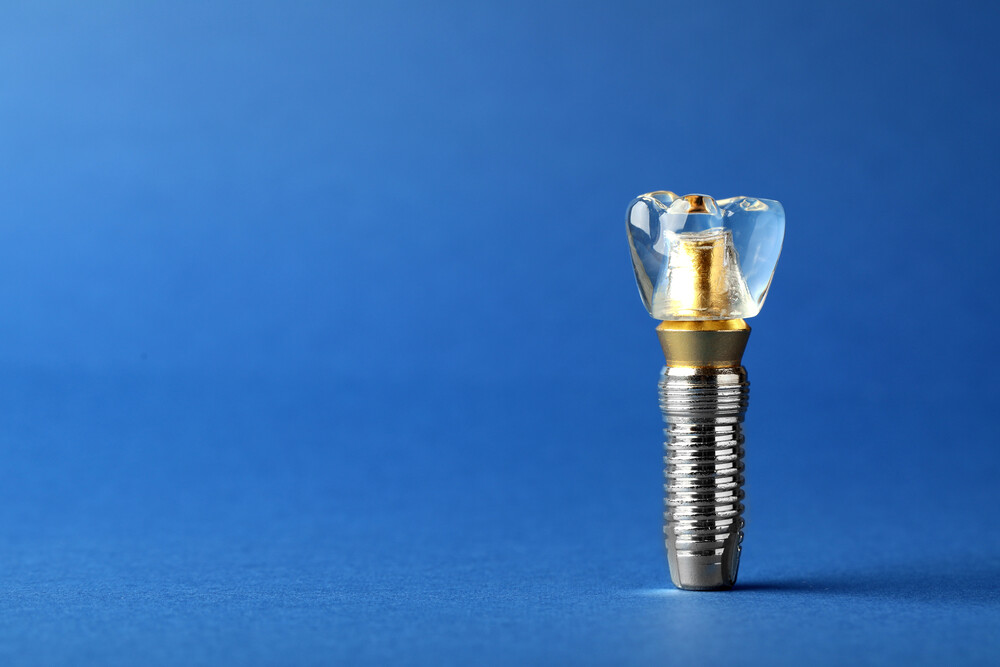
Dental implants are now considered the gold standard for tooth replacement. These small titanium posts surgically inserted into the jawbone act as artificial tooth roots, providing a stable foundation for prosthetic teeth. Unlike traditional bridges or dentures, which rest on neighboring teeth or gums, implants integrate directly with the bone—a process called osseointegration. This not only enhances stability but also ensures a more natural look and feel. Our advanced techniques have refined this procedure to deliver predictable and durable results.
While the concept of dental implants isn’t new—ancient civilizations experimented with rudimentary tooth replacements—their evolution over time highlights our commitment to continuous improvement in patient care. Modern technology has significantly enhanced implant precision, allowing for better outcomes and faster recovery times. Yet, despite these advancements, it’s important to understand that the success of dental implants isn’t solely about technological prowess; it’s also about how well they align with comprehensive preventive oral health practices.
The Evolution of Dental Restoration
The history of dental restoration is a fascinating journey through time. From ancient civilizations using materials like seashells and stones to modern-day innovations, the field has seen remarkable progress. Early attempts at tooth replacement were often crude and lacked longevity. For instance, in ancient Egypt, people used gold wires to hold teeth together or even fashioned false teeth from animal bones.
As civilization advanced, so did dental techniques. The Etruscans, around 700 BC, crafted dentures using human and animal teeth held in place with gold bands. In the 18th century, French dentist Pierre Fauchard introduced porcelain as a material for dental prosthetics. This marked a significant improvement over previous materials due to its aesthetic resemblance to natural teeth.
With the advent of modern dentistry in the late 19th and early 20th centuries, the introduction of anesthesia and improved surgical techniques transformed the field. The mid-20th century saw the development of acrylic resins for dentures, offering greater durability and flexibility. However, these advancements still didn’t address the fundamental issue of stability. Traditional dentures could slip or shift during eating or speaking, causing discomfort and embarrassment.
The Advent of Dental Implants
The breakthrough came in 1952 when Swedish orthopedic surgeon Per-Ingvar Brånemark discovered that titanium implants could fuse with bone tissue. This discovery laid the groundwork for modern dental implantology. Over the decades, refinements in materials and surgical techniques have made dental implants a reliable option for millions of people worldwide.
Today’s dental implants leverage cutting-edge technology to ensure precision and long-lasting results. Advanced imaging tools like 3D cone beam CT scans provide detailed views of the jawbone structure, allowing for meticulous planning before surgery. Computer-guided implant placement further enhances accuracy, ensuring optimal positioning and stability. Additionally, biomaterials such as titanium alloy offer superior strength and biocompatibility, reducing the risk of rejection or infection.
Why Dental Implants Are Preferred
The clinical advantages of dental implants are numerous. Unlike bridges that rely on adjacent teeth for support, implants stand independently within the jawbone. This preserves healthy tooth structure while providing a stable base for artificial teeth. The integration process mimics natural bone growth around the implant post, ensuring long-term durability.
Modern technology has elevated implant procedures to new heights of precision and efficiency. Digital impressions capture detailed images of your mouth, eliminating the need for messy traditional molds. These digital scans are then used to create custom-made crowns or bridges that fit perfectly with your existing dentition. This level of accuracy not only improves aesthetics but also enhances comfort and functionality.
While other restorative options like dentures may seem more cost-effective initially, they often require frequent adjustments or replacements due to changes in the jawbone structure over time. In contrast, dental implants offer a permanent solution that can last for decades with proper care. They provide unparalleled stability and comfort, allowing patients to enjoy their favorite foods without restrictions.
Dental implants are also highly versatile. Whether you need to replace a single tooth or an entire arch, implant-supported prosthetics offer a reliable solution tailored to your specific needs. For instance, all-on-four implants use just four strategically placed posts to support a full set of upper or lower teeth, providing immediate function and stability.
Understanding the Procedure
The dental implant procedure involves several key stages, each crucial for ensuring successful outcomes. The journey begins with an initial consultation where your oral health is assessed, and any necessary diagnostic tests are performed. This step includes taking detailed radiographs or 3D scans to evaluate bone density and determine the best placement sites.
Once planning is complete, the next phase involves surgery to place the implant post into the jawbone. Under local anesthesia, a small incision is made in the gum tissue to expose the underlying bone. A precise hole is drilled according to pre-determined measurements before inserting the titanium post. The incision is then closed using sutures.
Following surgery, osseointegration begins—a process where new bone cells grow around and fuse with the implant surface over several months. This phase is critical as it provides the foundation for long-term stability. During this period, you’ll likely wear a temporary crown or denture to maintain aesthetics and functionality while healing occurs.
After osseointegration is complete, an abutment—a small connector piece—is attached to the implant post. This component serves as a link between the implant and the final restoration, ensuring proper alignment and fit. Impressions are taken at this stage for creating custom-made crowns or bridges that match your natural teeth in color, shape, and size.
Finally, once the permanent restoration is ready, it’s secured onto the abutment using dental cement or screws. The result is a seamless blend of artificial and natural dentition, providing both aesthetic appeal and functional efficiency. Regular follow-ups ensure ongoing health monitoring and adjustments if needed.
Patient Experiences and Recovery Expectations
Undergoing any surgical procedure can evoke anxiety, but understanding what to expect beforehand can alleviate much of that stress. Dental implant surgery is generally performed under local anesthesia, making the process relatively painless for most patients. Post-surgery discomfort typically subsides within a few days with over-the-counter pain relievers.
Recovery timelines vary depending on individual healing rates and overall health status. Generally, initial healing takes about 1-2 weeks, during which you may experience minor swelling or bruising around the surgical site. Maintaining good oral hygiene throughout this period is essential to prevent infection.
Dietary adjustments may also be necessary post-surgery. Soft foods that require minimal chewing are recommended initially before gradually reintroducing firmer textures as comfort allows. Avoiding hot beverages and spicy foods can help minimize irritation during the healing phase.
Integrating Implants into Overall Oral Health
Dental implants play a pivotal role not just in restoring missing teeth but also in maintaining overall oral health. Regular check-ups and professional cleanings remain crucial for preventing gum disease or decay around implant-supported prosthetics. Proper home care, including brushing twice daily with fluoride toothpaste and flossing regularly, helps maintain optimal hygiene.
Preventive dentistry focuses on early intervention to address potential issues before they escalate into more serious problems. Regular dental visits allow for timely detection of any signs of infection or bone loss around the implant site. This proactive approach ensures long-term success by addressing concerns promptly and effectively.
Advanced Implant Care at Commack Dental Associates
At Commack Dental Associates, we pride ourselves on delivering state-of-the-art dental care with a personal touch. Our team of highly specialized professionals includes periodontists and pediatric dentists—ensuring comprehensive care for patients of all ages.
We understand that every patient’s needs are unique, which is why we tailor our approach to provide individualized treatment plans. Whether you require general dentistry services or advanced procedures like dental implants, our commitment to excellence ensures superior outcomes. Our practice leverages the latest technology combined with compassionate care philosophy to deliver exceptional results.
Our convenient location at 164 Commack Road, Suite 4, Commack, NY 11725 makes us easily accessible for residents of the North Shore and surrounding communities. We invite you to explore our website further or give us a call at (631) 910-4065 to schedule your appointment today.
Frequently Asked Questions
What are dental implants and how do they compare to other tooth replacement options?
Dental implants are artificial tooth roots made of titanium that are surgically placed into the jawbone to support a dental prosthesis, such as a crown, bridge, or denture. They are designed to provide a permanent solution for missing teeth, offering a natural look and feel, and are considered the gold standard in tooth replacement.
Compared to other options like dentures or bridges, dental implants offer several advantages. Dentures can slip or shift, causing discomfort and making it difficult to eat or speak. Bridges require grinding down adjacent teeth for support, which can weaken them over time. In contrast, dental implants are securely anchored in the jawbone, providing unmatched stability and durability. They also help to preserve the jawbone, preventing the bone loss that can occur with dentures and bridges.
At Commack Dental Associates, our skilled periodontist and implant specialists use state-of-the-art technology to ensure precise placement of dental implants, leading to successful outcomes and long-lasting results.
Are dental implants safe, and who is a good candidate for them?
Yes, dental implants are considered a safe and effective treatment for missing teeth. They have been used for decades with a high success rate, and with proper care, they can last a lifetime. Dental implants are made of biocompatible materials, which means they are accepted by the body and do not cause adverse reactions. In rare cases, complications may arise, such as infection or damage to surrounding teeth or structures, but our team at Commack Dental Associates takes every precaution to minimize these risks.
Good candidates for dental implants are those who:
- Have one or more missing teeth
- Have healthy gums and adequate bone support in the jaw
- Are committed to maintaining good oral hygiene
- Do not have any health conditions that could compromise healing or the success of the implant
During your initial consultation at Commack Dental Associates, we will carefully evaluate your oral health and medical history to determine if dental implants are the right choice for you.
What is the dental implant procedure like, and what can I expect during recovery?
The dental implant procedure typically involves two main stages: placement of the implant and placement of the dental prosthesis. During the first stage, our skilled implant specialists will surgically place the titanium implant into the jawbone. The procedure is usually performed under local anesthesia, and sedation is available for those who feel anxious. The implant is then allowed to integrate with the bone, a process that can take several months.
Once the implant has fully integrated, the second stage begins. An abutment, or connector, is attached to the implant, and an impression is taken to create a custom-made dental prosthesis, such as a crown or bridge. The prosthesis is then attached to the abutment, completing the restoration process.
Recovery from dental implant surgery is generally straightforward. You may experience some swelling, bruising, and discomfort in the days following the procedure, but these symptoms can usually be managed with over-the-counter pain relievers and cold compresses. We will provide you with detailed post-operative instructions to help ensure a smooth and successful recovery. Most patients are able to return to their normal activities within a few days.
How long do dental implants last, and what can I do to ensure their longevity?
With proper care, dental implants can last a lifetime. In fact, studies have shown that the success rate of dental implants is over 95% after 10 years and over 90% after 20 years. To ensure the longevity of your dental implants, it is essential to maintain good oral hygiene and attend regular dental check-ups and cleanings at Commack Dental Associates.
Here are some tips to help you care for your dental implants:
- Brush and floss your implants at least twice a day, just as you would your natural teeth
- Use a soft-bristled toothbrush and a low-abrasive toothpaste to avoid scratching the implant surface
- Avoid biting on hard objects, such as ice, nuts, or hard candies, which can damage the implant or the dental prosthesis
- Do not smoke, as smoking can interfere with the healing process and increase the risk of implant failure
- Regularly attend your dental check-ups and cleanings, as our hygienists will monitor the health of your implants and provide professional cleaning and maintenance
At Commack Dental Associates, we are committed to helping you maintain the health and longevity of your dental implants through personalized care and regular follow-ups.
What happens if I have bone loss in my jaw? Can I still get dental implants?
Bone loss in the jaw, also known as alveolar bone loss, can occur as a result of tooth loss, periodontal disease, or other factors. While bone loss can make dental implant placement more challenging, it does not necessarily mean that you are not a candidate for dental implants.
If you have experienced bone loss in your jaw, our skilled implant specialists at Commack Dental Associates may recommend a bone grafting procedure to augment the bone and create a solid foundation for the dental implant. Bone grafting involves transplanting bone tissue, either from another part of your body or from a donor, into the jawbone to stimulate new bone growth. This procedure can help restore the volume and density of the jawbone, making it possible to place dental implants successfully.
In some cases, we may also recommend the use of shorter or wider dental implants, or the placement of implants in alternative locations within the jaw. By utilizing advanced technologies, such as 3D imaging and guided surgery, we can ensure precise and effective placement of dental implants, even in cases of severe bone loss. Our team will work closely with you to develop a personalized treatment plan that addresses your unique needs and helps you achieve a beautiful, healthy smile.
How do dental implants fit into overall oral health maintenance?
Dental implants play a crucial role in maintaining overall oral health. When you lose a tooth, the surrounding bone and gum tissue can begin to deteriorate, leading to a weakened jaw structure and an increased risk of tooth decay and gum disease. Dental implants help to preserve the jawbone and prevent further bone loss, promoting better oral health and overall well-being.
Here are some ways dental implants contribute to overall oral health maintenance:
- Preservation of jawbone: Dental implants stimulate the jawbone, promoting bone growth and preventing bone loss. This helps maintain the shape and structure of your face, as well as the stability of your surrounding teeth.
- Prevention of tooth decay and gum disease: Dental implants do not develop tooth decay or gum disease, as they are not susceptible to these conditions. However, it is essential to maintain good oral hygiene around the implant to prevent bacterial buildup and keep your gums healthy.
- Protection of surrounding teeth: Dental implants do not rely on adjacent teeth for support, unlike traditional bridges. This helps protect your natural teeth from unnecessary wear and tear, as well as the potential for decay or gum disease.
- Improved chewing and digestion: Dental implants function like natural teeth, allowing you to chew food more effectively. This helps improve digestion and nutrient absorption, contributing to better overall health.
At Commack Dental Associates, we believe in a comprehensive approach to oral health that addresses both the functional and aesthetic aspects of your smile. Dental implants are just one component of our commitment to helping you maintain a healthy, beautiful smile for life.
What kind of anesthesia is used during dental implant surgery, and is sedation available?
At Commack Dental Associates, we understand that the thought of undergoing dental implant surgery can cause anxiety for some patients. To ensure your comfort and safety, we offer various anesthesia options and sedation techniques.
Local anesthesia: We typically use local anesthesia, which numbs the surgical area and ensures you feel minimal discomfort during the procedure. The local anesthetic is injected directly into the treatment site, and its effects wear off a few hours after the surgery.
Sedation: For patients who experience dental anxiety or prefer to be more relaxed during the procedure, we offer different sedation options:
- Nitrous oxide (laughing gas): Administered through a nasal mask, nitrous oxide helps you feel calm and relaxed. Its effects wear off quickly once the mask is removed.
- Oral conscious sedation: Prescribed medication, such as Halcion or Valium, is taken before the procedure to help you feel drowsy and relaxed. You will need someone to drive you to and from your appointment.
- Intravenous (IV) sedation: Administered through an intravenous line, IV sedation provides a deeper level of sedation, making you feel almost asleep during the procedure. You will need someone to accompany you and drive you home after the appointment.
Our team at Commack Dental Associates will discuss your anesthesia and sedation options with you during your consultation, ensuring you feel informed and comfortable before your dental implant surgery.
How do modern technologies used in dental implant placement improve the outcome?
Modern technologies have significantly enhanced the precision, predictability, and success of dental implant placement. At Commack Dental Associates, we incorporate advanced techniques and equipment to ensure the best possible results for our patients. Here are some ways modern technologies improve dental implant outcomes:
3D imaging and planning: Cone beam computed tomography (CBCT) scans provide detailed, three-dimensional images of your teeth, jaws, and surrounding structures. This technology allows us to:
- Assess bone quality and quantity to determine the best implant placement and, if necessary, plan for bone grafting procedures
- Identify potential complications, such as nerve locations or sinus cavities, before surgery
- Plan the surgical procedure in advance, ensuring precise implant placement and minimizing surgery time and discomfort
Computer-guided surgery: Using the 3D images from the CBCT scan, we can create a surgical guide that helps us place implants with unmatched accuracy. This technology ensures:
- Precise implant positioning in all three planes (anteroposterior, lateral, and vertical)
- Optimal implant angle and depth for better bone integration and long-term stability
- Minimal invasion and reduced healing time, as the surgery is more straightforward and less traumatic
Advanced implant systems: We use high-quality, well-researched implant systems that offer:
- Proven success rates and long-term stability
- Innovative features, such as textured surfaces or special coatings, that promote better bone integration
- Versatility, allowing us to treat a wide range of cases, from simple to complex
By incorporating these modern technologies, Commack Dental Associates ensures that our patients receive the highest level of care and the best possible outcomes for their dental implant procedures.
How does the experience of getting dental implants at Commack Dental Associates differ from other dental offices?
At Commack Dental Associates, we strive to provide our patients with a unique, personalized, and compassionate dental experience that sets us apart from other offices. When you choose us for your dental implant needs, you can expect the following:
Comprehensive care: Our team includes highly specialized professionals, such as an outstanding periodontist and implant specialists. This allows us to provide you with a full range of services under one roof, from initial consultation to final restoration, ensuring continuity of care and better coordination.
State-of-the-art technology: We invest in the latest equipment and techniques to deliver precise, efficient, and comfortable dental care. This includes 3D imaging, computer-guided surgery, and advanced implant systems, ensuring the best possible results for our patients.
Patient-centered approach: We believe in taking the time to understand each patient’s unique needs, concerns, and goals. During your consultation, we will:
- Listen attentively to your questions and address any anxieties or worries
- Explain your treatment options in clear, easy-to-understand terms
- Create a personalized treatment plan tailored to your specific needs and preferences
Comfort and convenience: We understand that life is busy, so we offer flexible scheduling options, including early morning appointments on Saturdays. Our modern, inviting office is designed to make you feel at ease, and we provide a range of anesthesia and sedation options to ensure your comfort during procedures.
At Commack Dental Associates, we are committed to building lasting relationships with our patients, and we look forward to helping you achieve a healthy, beautiful smile through dental implants.
How can I learn more about the dental implant process and determine if it’s right for me?
If you’re considering dental implants but still have questions or want to learn more, we encourage you to explore the resources available at Commack Dental Associates. Here are some ways you can educate yourself and determine if dental implants are the right choice for you:
Attend a free, no-obligation consultation: Our team invites you to schedule a complimentary consultation, where we can discuss your concerns, evaluate your oral health, and explain the dental implant process in detail. This is an excellent opportunity to ask questions and learn more about how dental implants can benefit you.
Explore our website: Our website features a wealth of information about dental implants, including articles, videos, and patient testimonials. You can learn about the different stages of the implant process, see before-and-after photos, and understand the long-term benefits of choosing dental implants.
Join a dental implant seminar or workshop: From time to time, we host educational seminars and workshops focused on dental implants. These events provide a relaxed, informative atmosphere where you can learn from our experts and ask questions. Check our website or contact our office for upcoming events.
Speak with our team: Our knowledgeable and friendly team is always available to answer your questions and provide guidance. Feel free to call our office or send us an email, and we’ll be happy to help you in any way we can.
At Commack Dental Associates, we believe that an informed patient is a confident patient. We’re committed to helping you make the best decision for your oral health and overall well-being, and we look forward to helping you achieve a healthy, beautiful smile with dental implants.